
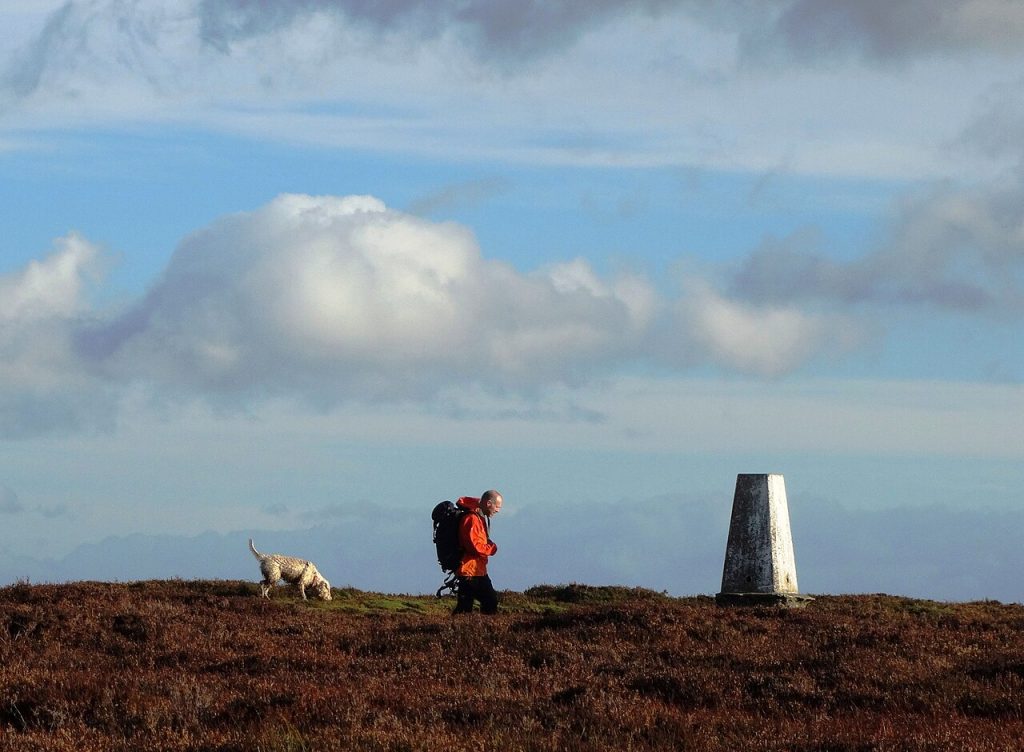
Bringing the dog on holiday is half the fun, and the moor on our doorstep is a glorious place to walk one. But dog walking on the moor in summer comes with a few responsibilities that are easy to overlook – there are ground-nesting birds raising their young, livestock grazing the open hillside, and a handful of warm-weather hazards worth knowing about. Here is what every visitor to Ghyll House Campsite should keep in mind.
Dog walking on the moor: leads from March to July
By law, on open access land you must keep your dog on a lead no more than two metres long between 1 March and 31 July, to protect ground-nesting birds. You also need to keep it on a lead around livestock at any time of year. This is the single most important thing to remember about dog walking on the moor in summer, and it applies right across Ilkley Moor and the surrounding hills. You can read the full rule in the Government’s open access guidance.
Bradford Council, who look after Ilkley Moor, ask exactly the same. A Public Space Protection Order is also in place, which means a warden can require you to put your dog on a lead – with a fine if you refuse.
The ground-nesting birds you’re protecting
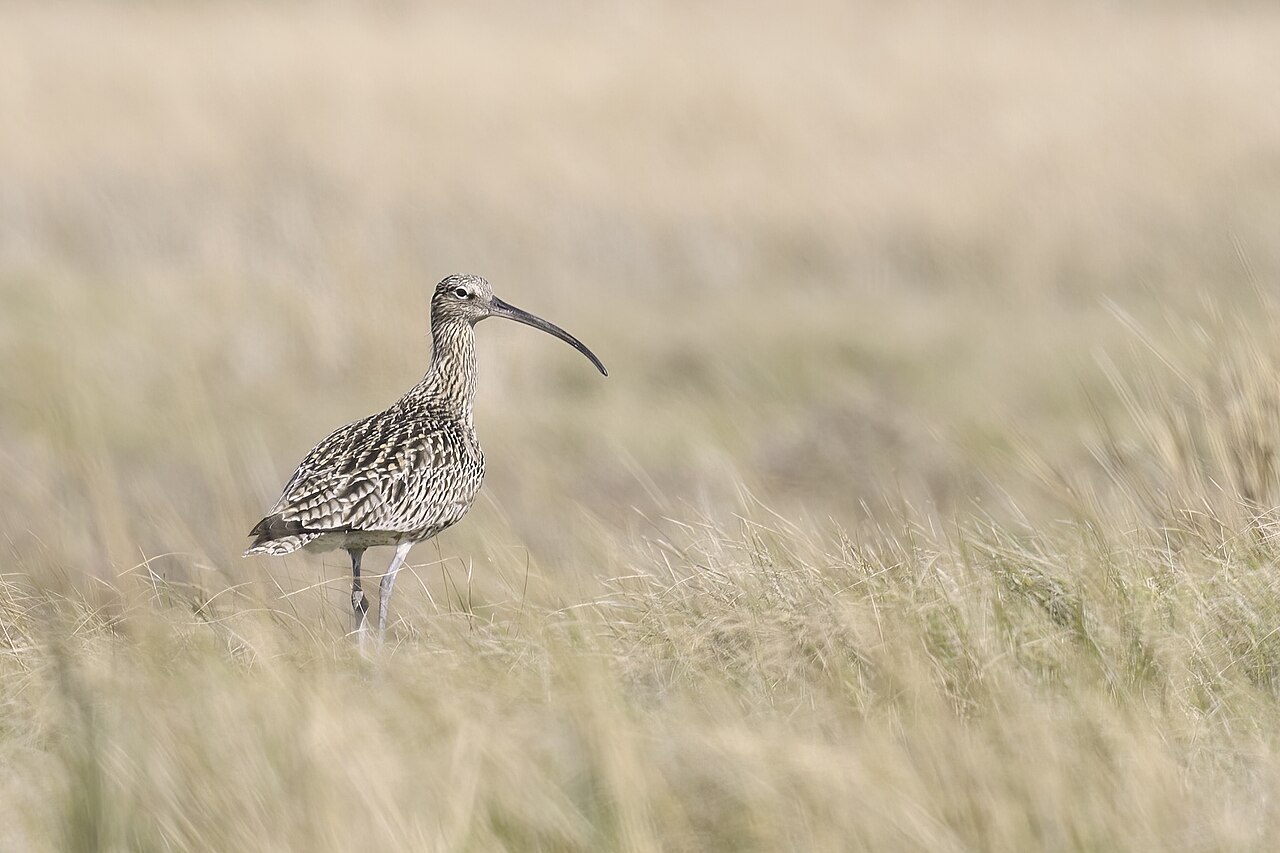
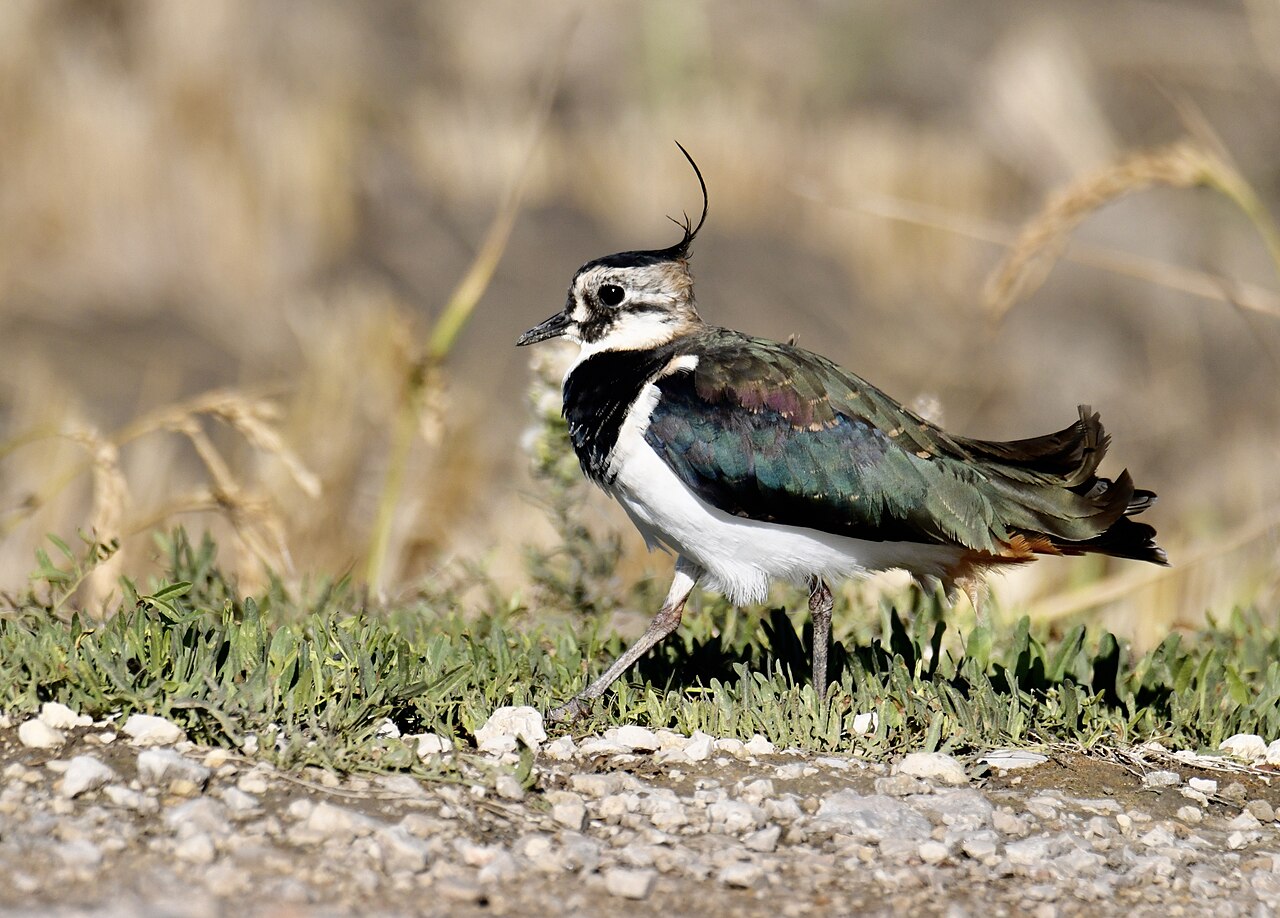
Between spring and midsummer, the moor is a nursery. Birds such as curlew, lapwing, golden plover, skylark and red grouse nest right on the ground among the heather and rough grass, where they are almost invisible. A dog running through – even a friendly one with no interest in the birds – can frighten a parent off the nest long enough for the eggs or chicks to chill or be taken. Keeping to the path with your dog close by makes all the difference.

.jpg)
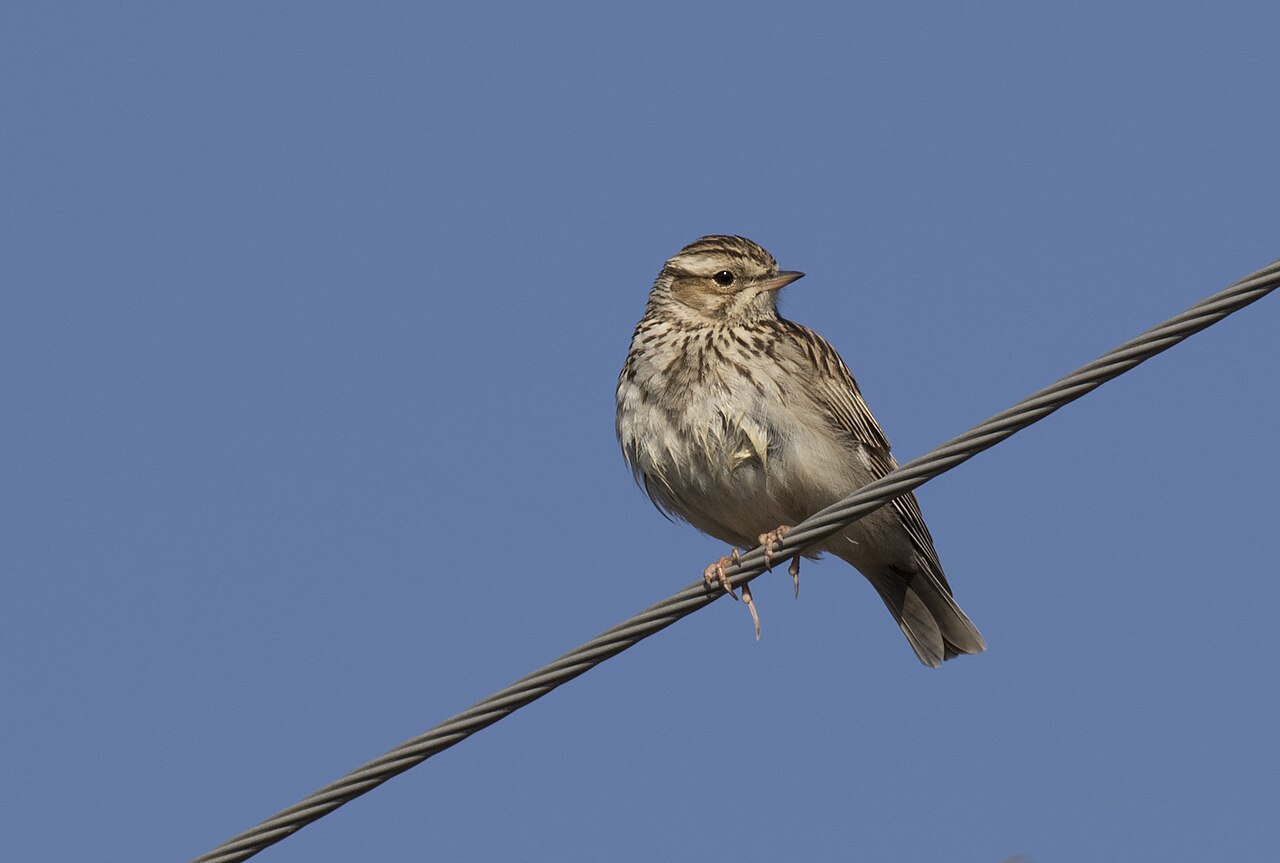

These are some of the species that make the moor special, and the volunteers at Friends of Ilkley Moor work hard to look after them.
Sharing the moor with livestock
Sheep and cattle graze the open moor, and in spring there are lambs about. A loose dog can scatter a flock or cause a ewe to lose her lambs, so keep yours on a lead near any livestock, give animals plenty of space, and close gates behind you. It is all part of the Countryside Code.
Summer hazards: heat, adders and ticks
On warm days, carry water and walk early in the morning or in the evening rather than the heat of midday – there is very little shade up top. Ilkley Moor is also home to adders, which bask on rocks and along path edges in summer; they will avoid you if they can, but it is another good reason to keep your dog on the path and close by. Give your dog a quick check for ticks when you get back to the tent, too.
Where to walk from the campsite
Step off the site and you are almost straight onto the moor edge. From here you can pick up our walk to the Swastika Stone along the tops, or the gentler walk down into Ilkley.
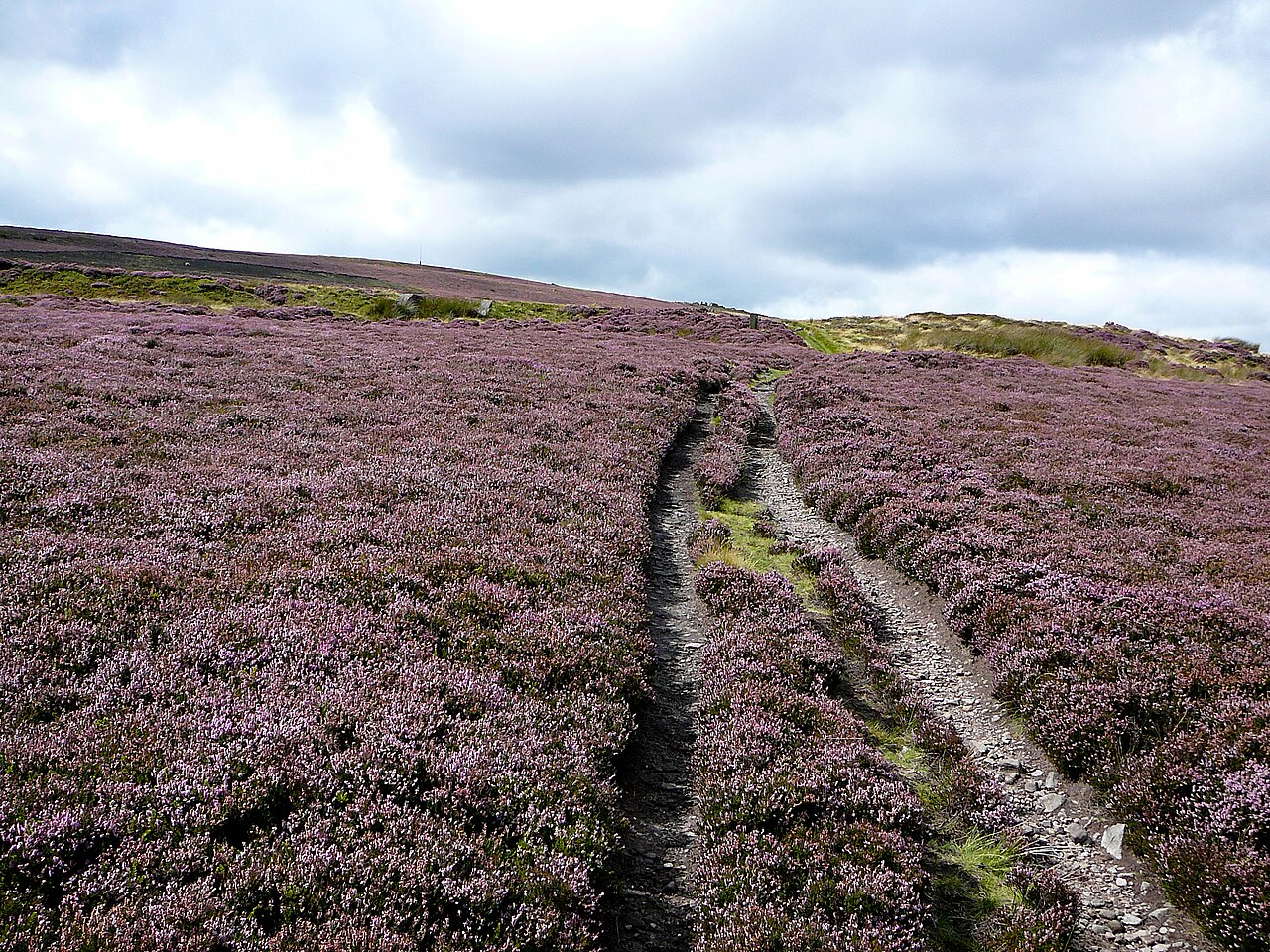
.jpg)
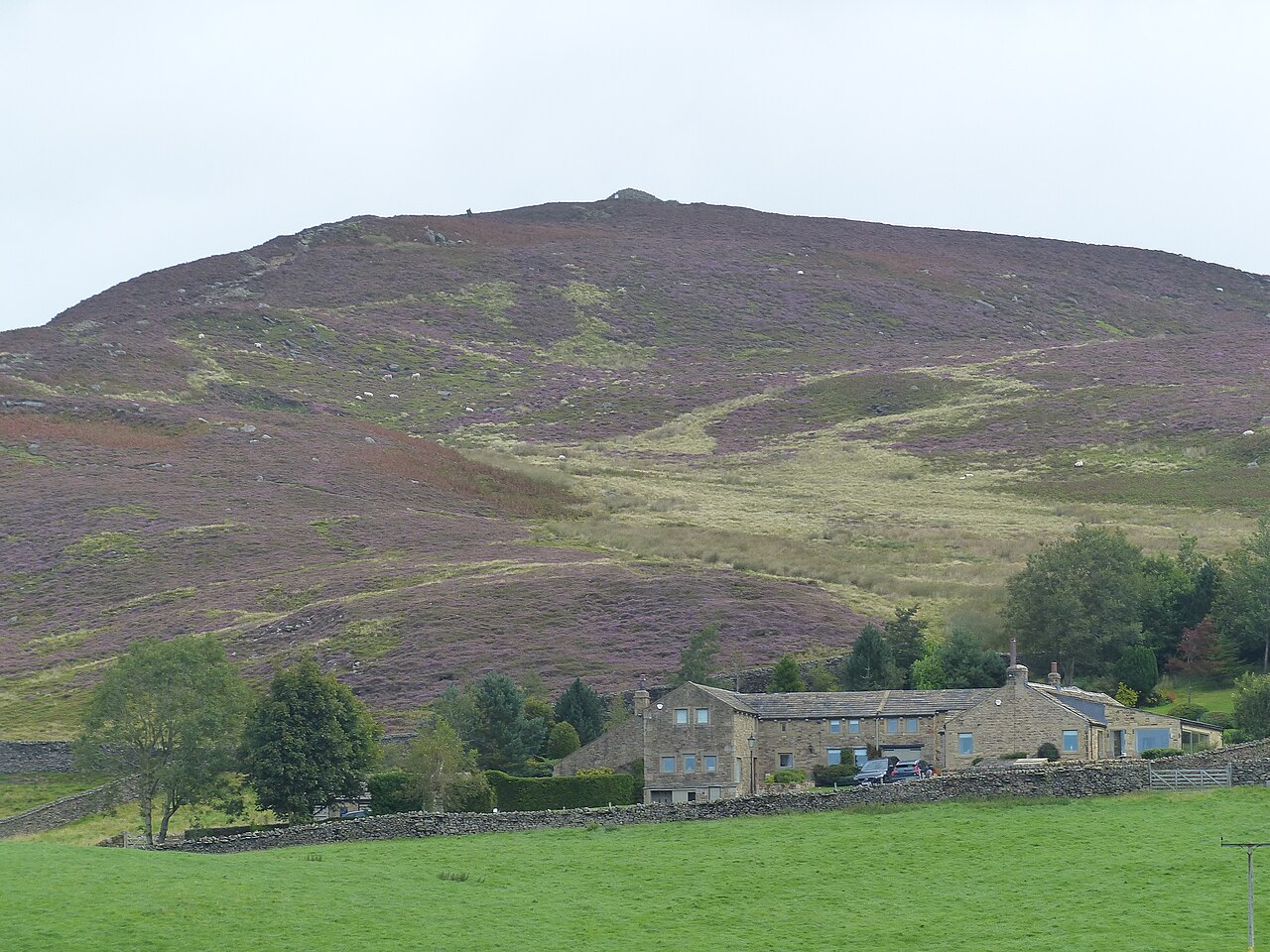
For something with a summit, Beamsley Beacon gives a 360-degree panorama over Wharfedale. Do note that the neighbouring Bolton Abbey Estate only allows dogs on public footpaths and under close control, so plan that one carefully.

Walk early or late on hot days, keep the lead handy through the nesting season, and the moor will reward you and the dog in equal measure. Prefer to wake up right beside it? Our glamping teepees sit on the moor’s edge – book your stay.